
Book Appointment Now

Tartar vs. Plaque: The Ultimate Battle for Your Mouth’s Real Estate
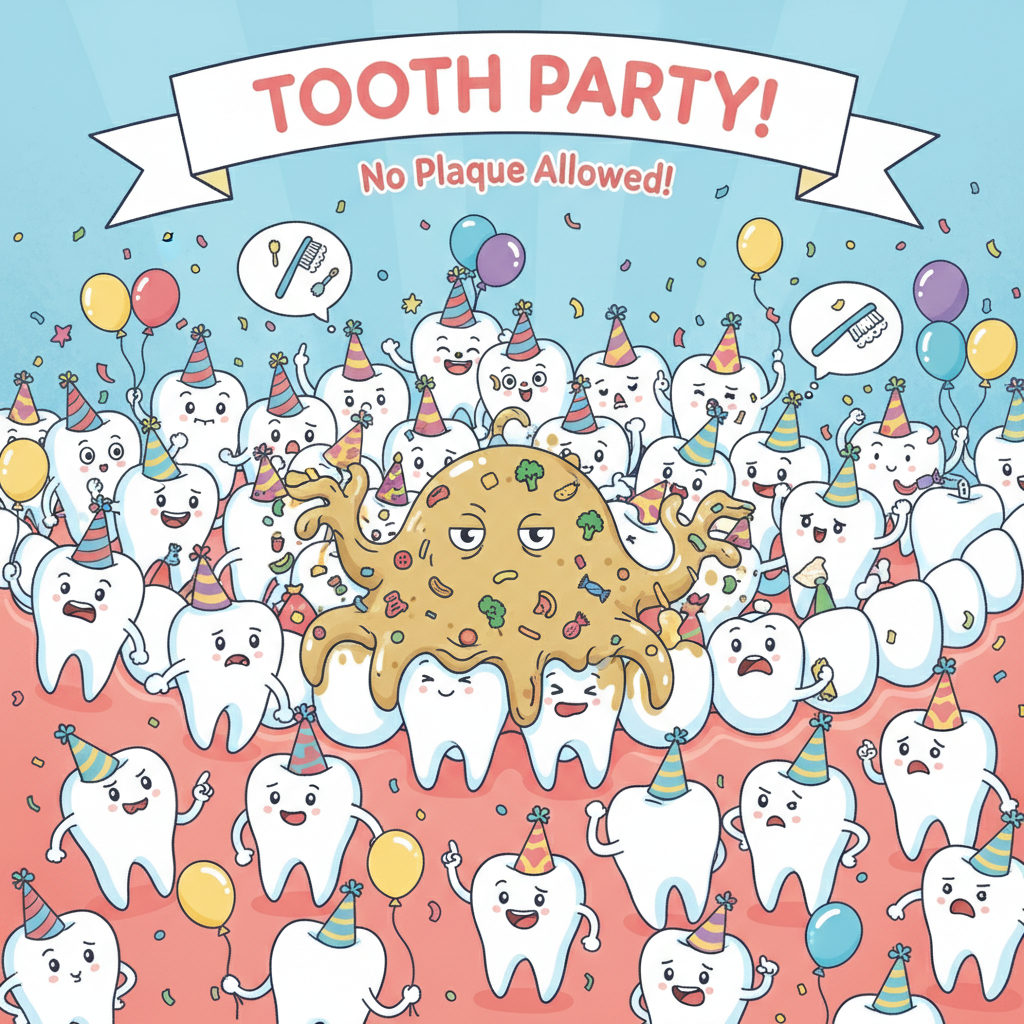
Plaque: The Sticky, Sneaky Babysitter of Your Teeth
Think of your teeth as hosting a non-stop party, and dental plaque as that unwelcome guest who just won’t take a hint. It’s a soft, sticky, squishy mix of bacteria, leftover food, and saliva hanging out on your teeth like that friend who overstays their welcome.
How Does It Crash Your Party?
Your mouth is a bustling city of bacteria—some helpful, others not so much. When you indulge in carbs and sweets (we all do), these bacteria chow down on the leftovers and produce acid. Acid plus your tooth enamel equals a recipe for trouble. Plaque can build up faster than your favorite show binge—sometimes in just hours.
Why Should You Care?
- Cavities – the original tooth villains.
- Gingivitis – when your gums get red, puffy, and angry.
- Bad breath – nobody wants to deal with dragon breath.
Can You Evict Plaque Yourself?
Absolutely! Brush and floss like a champ twice a day. Your toothbrush is the hero here—invisible cape and all.
And yes, this will definitely be on the test.
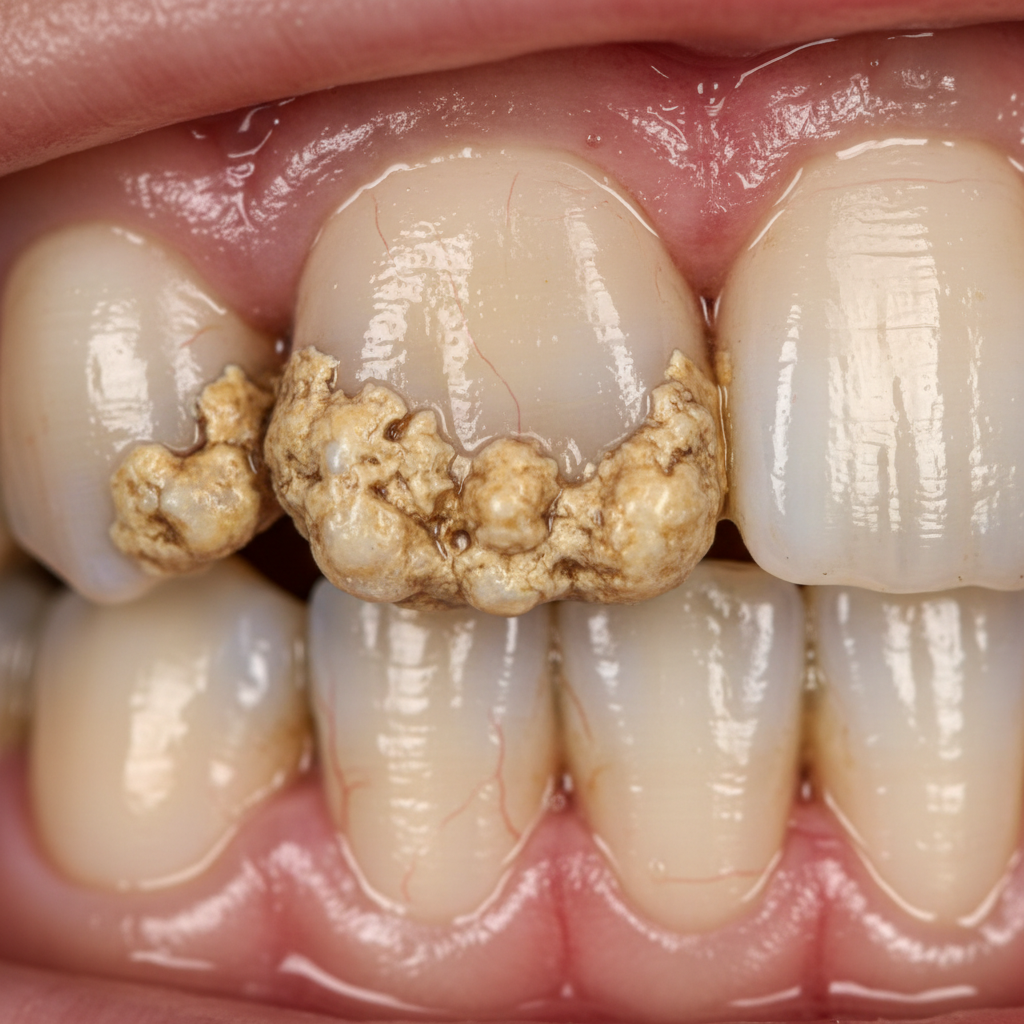
Tartar: When Plaque Hardens Its Game (Literally)
Tartar is plaque’s stubborn older sibling who refuses to leave and then decides to turn hard and mean. Scientifically called dental calculus, tartar forms when minerals in your saliva mix with plaque and harden it.
How Does Tartar Gatecrash?
Ignore plaque, and it transforms into hard, yellow-brown deposits—usually hugging your gumline. It’s like plaque leveled up in dental Jiu-Jitsu and isn’t budging with just your toothbrush.
The Unpleasant Truth
- It’s hard, rough, and feels like mouth gravel.
- Visible enough to say, “Here I am!” unlike sneaky plaque.
- Regular brushing won’t cut it. Only a dentist with special tools can remove it.
- It attracts more plaque, because misery truly loves company.
- Leads to gum disease progression and can even cause tooth loss. Yikes.
Bottom line? Don’t let plaque turn into tartar unless you want costly dental visits.
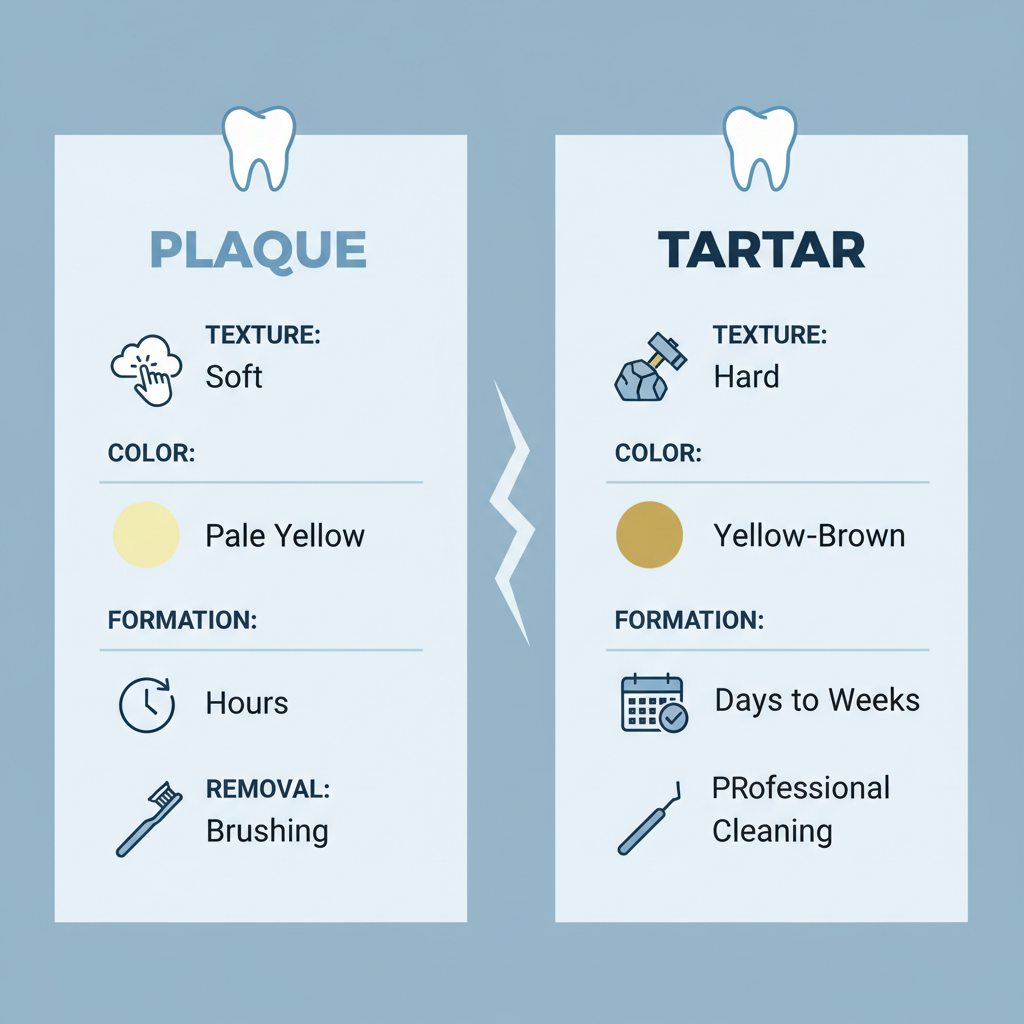
Cliff Notes: Plaque vs. Tartar Showdown
| Battle Aspect | Dental Plaque | Tartar (Dental Calculus) |
|---|---|---|
| Feel | Soft, sticky like a gentle fuzz | Hard and crusty, downright rude |
| Color | Clear to pale yellow (sneaky!) | Yellow/brown and eye-catching |
| Time to Form | Hours (fast mover) | Days to weeks (slow and steady) |
| Removal | Brush and floss regularly | Dentist-only, superhero level |
| Health Impact | Cavities, early gum problems | Serious gum disease, bad breath |
| Visibility | Mostly invisible | Easily seen, like a neon sign |
Remember, this isn’t just about looks—these troublemakers can really harm your dental health.
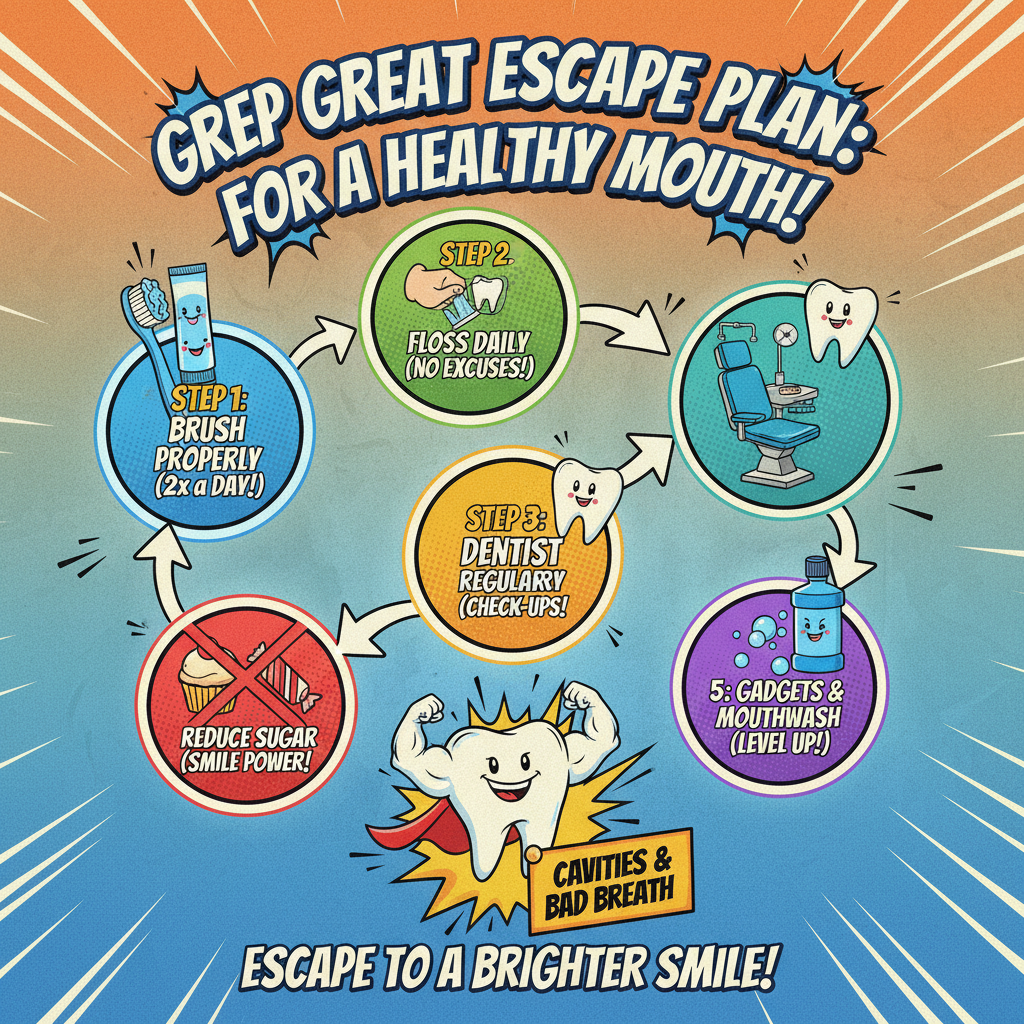
The Great Escape Plan: Defeating Plaque and Tartar
Hot tip: Brushing isn’t optional. It’s your secret weapon.
1. Brush Like You Mean It
No quick swipes while scrolling Instagram. Brush two minutes, twice daily with fluoride toothpaste. Use a soft-bristled brush—your gums will thank you.
2. Floss Daily
Plaque loves hiding between teeth. Kick it out with daily flossing.
3. See Your Dentist (Even If You’re Nervous)
Professional cleanings are the only way to remove tartar. Aim for twice a year.
4. Cut Back on Sugary and Starchy Snacks
Your mouth bacteria will thank you. Drink plenty of water to keep things fresh.
5. Use Dental Gadgets
Water flossers, interdental brushes, and antibacterial mouthwashes are like personal trainers for your mouth.
When to Call for Backup
Notice yellow or brown crust, bleeding gums, or persistent bad breath? It’s time to make that dentist appointment. Tartar won’t budge without a pro—and neither should you.
Your Mouth, Your Kingdom—Keep It Clean and Mean
Plaque may be a pesky villain you can handle with some effort. But tartar? That’s the hardened crime boss needing a pro to take down. Stick to your routine, and you’ll keep dental drama at bay — plus you’ll flash a smile so bright it deserves its own zip code.
Still reading? You’re officially my favorite. Now go floss!